



After the Roar: Spotting Smarter as Deer Go Quiet

Across parts of Victoria and New South Wales, the noise and intensity of the red deer roar starts to taper off by late April. The chasing slows. The vocal bulls go quiet. Movement patterns shift.
For some hunters, that feels like the end of the main event. In reality, it is just a change in pace. And this is often where good optics start to matter even more.
What changes once the roar winds down
During the rut, bulls advertise themselves. They move more. They make noise. They can be located by sound as much as sight.
After the roar, that advantage disappears. Deer settle back into feeding and recovery patterns. They become quieter, more cautious and far less predictable.
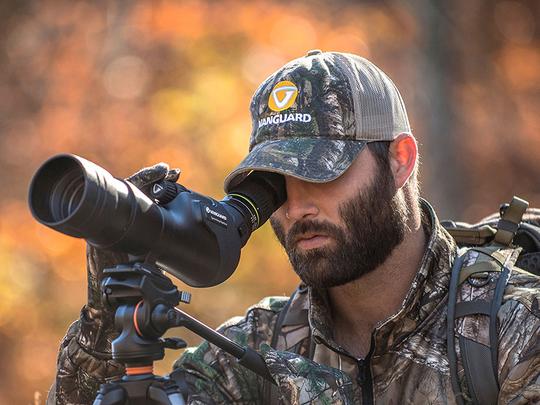
Now you rely less on your ears and more on your glass.
Longer glassing sessions become the norm
Post rut deer often return to feeding areas in low light. Early mornings and late afternoons become key windows again.
This is where patience and steady glassing pay off. Instead of chasing calls, you are scanning edges, clearings and transition zones carefully. Small movements. An ear flick. A horizontal line in grass that should not be there.
Why your binocular choice matters more now
Steady magnification
After the roar, you may spend more time sitting and watching. An 8x42 or 10x42 remains a practical choice for Australian conditions, balancing brightness and reach without becoming fatiguing.
Low light clarity
As temperatures drop, first and last light become sharper and cooler. Good contrast helps separate deer from shadow and scrub. Poor glass makes everything look flat and harder to read.
Comfort over time
Long glassing sessions highlight small issues. Weight on your neck. A stiff focus wheel. Poor balance. These are the things that start to frustrate you when you are glassing properly.
If you are noticing reduced brightness at dawn, struggling with focus clarity, or getting fatigued during longer sessions, it may not be the conditions. It may be your optics.
Upgrading to clearer, brighter and more comfortable binoculars can make late season hunting far more productive.
Browse Hunting Binoculars in Australia
Adjusting how you glass
Slow down
Instead of quick scans looking for movement and sound, break the landscape into sections. Work methodically. Pause. Re check areas that feel likely.
Focus on feeding edges
After the rut, energy recovery is important. Feeding areas, sheltered faces and transition zones between timber and open ground become more productive.
Use stability where possible
If you are glassing larger areas for extended periods, resting your elbows or using natural support improves detail recognition and reduces fatigue.
The season is not over
When the roar fades, many hunters shift focus. That often means less pressure and better opportunities for those willing to adapt.
Late autumn and early winter hunting in Australia rewards patience, positioning and strong optics. If your current binoculars are holding you back, this is usually when it becomes obvious.


Leave a comment