


Spotting Scopes for Winter Viewing in Southern Australia

Winter in Australia looks very different depending on where you live. In northern regions it can still feel mild, but across Victoria, Tasmania, the ACT, the NSW tablelands and the Adelaide Hills, July brings cold mornings, wind, frost and shorter days.
That shift in conditions changes how people observe the outdoors. Instead of moving constantly, winter often becomes about finding shelter, setting up properly and taking your time. This is where spotting scopes really come into their own.
Winter encourages slower, more comfortable viewing
Cold air and unpredictable weather naturally change how people spend time outside. Instead of hiking long distances, many winter sessions happen from:
- Parked vehicles overlooking valleys
- Sheltered lookouts in alpine regions
- Coastal headlands with wind cover
- Covered decks or verandahs at home
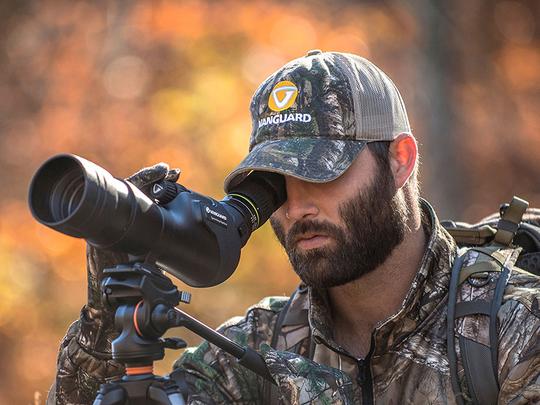
A spotting scope mounted on a tripod allows stable, comfortable viewing without needing to hold weight for extended periods. You can stay layered up, stay sheltered, and still enjoy detailed long distance observation.
Birding in colder regions
Southern Australia offers excellent winter birding. Wetlands in Victoria, estuaries in Tasmania and coastal areas across South Australia can all be highly active during colder months.
A spotting scope is particularly useful for:
- Watching waterbirds across large wetlands
- Scanning coastal headlands for seabirds
- Observing raptors using rising winter thermals
- Studying behaviour at distance rather than just identification
The added magnification combined with tripod stability makes distant wildlife far more enjoyable to observe, even when viewing from a sheltered position.
Winter coastal viewing
Along southern coastlines, winter brings dramatic seas and active marine life. From parts of Victoria and Tasmania to stretches of South Australia, a spotting scope allows detailed viewing of:
- Seabirds working offshore
- Marine mammals moving along the coast
- Boats and vessels in rougher winter conditions
- Distant headlands and cliff lines
High magnification paired with stability makes these sessions far more immersive than handheld binocular use alone.
Using a spotting scope from home
Many homes in southern Australia are built on hills, coastal rises or overlooking farmland and bush. In winter, staying warm inside while still enjoying the view becomes part of the appeal.
A tripod mounted spotting scope is ideal for:
- Watching wildlife across paddocks
- Observing birds from a living room window
- Looking across bays, hills and valleys
- Enjoying distant scenery without standing in cold wind
It keeps you connected to the outdoors even when conditions are harsh.
Why a stable tripod matters more in winter
Cold air can make fine movements more noticeable, especially at higher magnification. A stable tripod allows:
- Comfortable long viewing sessions
- Smooth tracking of moving wildlife
- Easy sharing without constant adjustment
In winter, comfort and stability matter far more than saving a small amount of weight.
Digiscoping in winter conditions
Spotting scopes also allow simple digiscoping setups.
With the right accessories you can:
- Capture wildlife behaviour from a distance
- Record interesting winter coastal conditions
- Share what you are seeing with family and friends
Winter often provides crisp air and strong visibility, making it an excellent season for capturing detail at distance.
A practical winter setup
For winter use in southern Australia, a compact to mid size spotting scope paired with a stable tripod offers a comfortable balance of performance and portability.
If you are setting up for coastal viewing, wetland birding or long distance observation in colder regions, a spotting scope can transform how you experience winter outdoors.